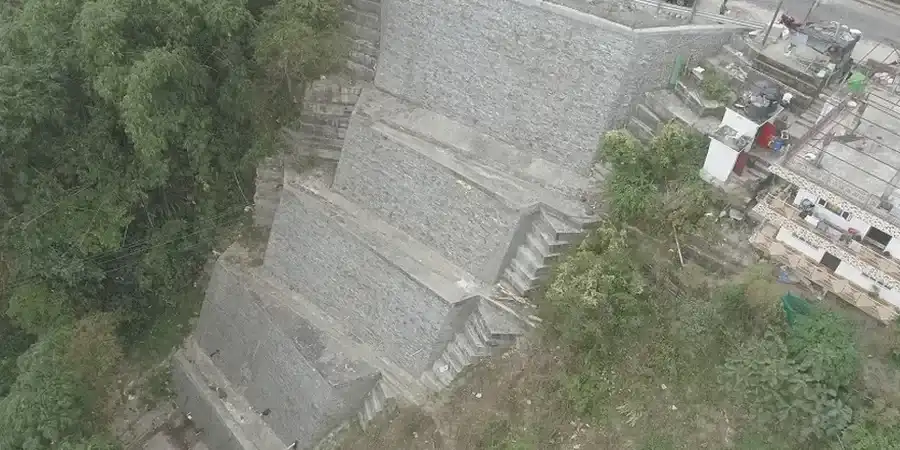
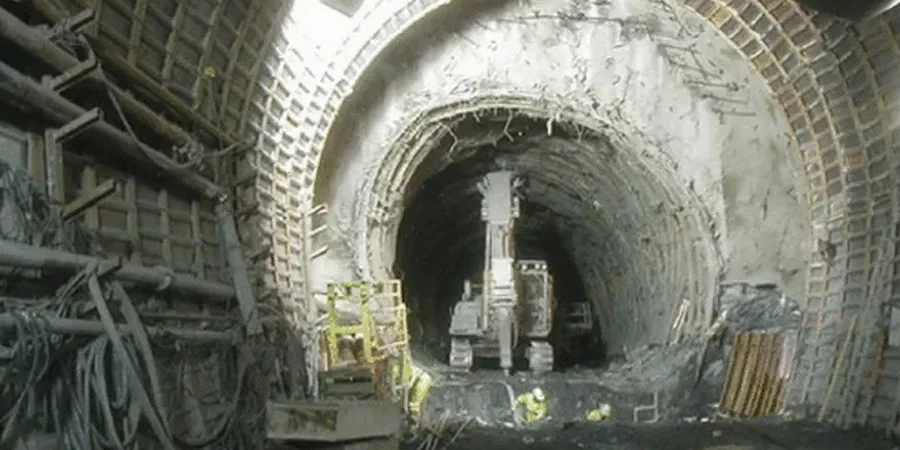
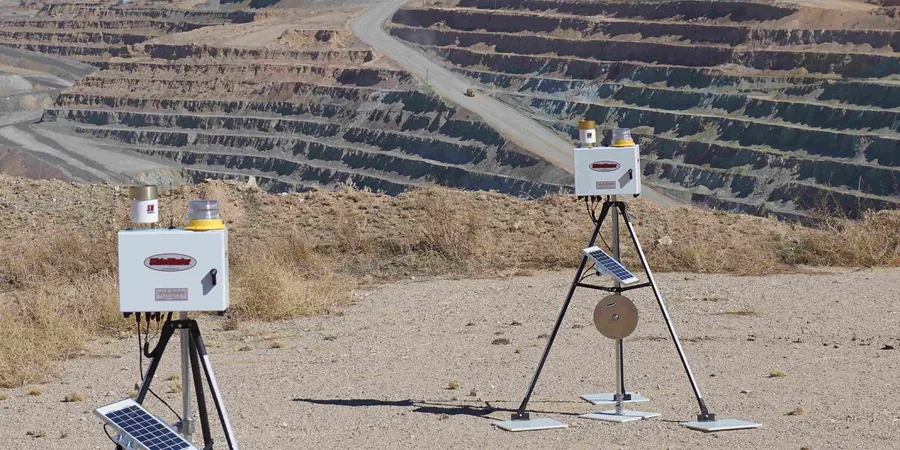
We have seen it too many times across Christchurch sites—contractors relying on a single pre-dig investigation and then watching the trench walls start to ravel when they hit an unconfined sand lens nobody mapped. The Canterbury Plains are not uniform. Under the gravels that appear in the west, you quickly run into the Riccarton Gravel formation and then the Christchurch Formation’s interbedded sands, silts, and peats that still hold elevated groundwater from the 2010-2011 sequence. A static design assumption stops being valid the moment the bucket cuts into a layer with different pore pressure. Our monitoring approach embeds real-time piezometers, inclinometers, and survey prisms into a single observation plan so you know when the ground is behaving differently than the model predicted. Many jobs benefit from pairing this with a detailed CPT test to confirm the stratigraphy before the dig enters a critical phase, or a slope stability assessment when the excavation borders a public road.
Monitoring is not about collecting data—it is about catching the moment when the ground stops matching the geotechnical model, and acting before anyone notices a crack.