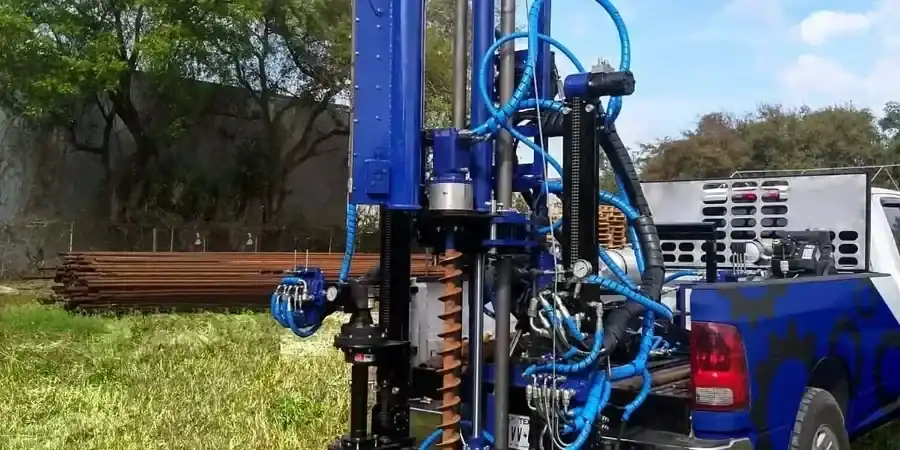
The most expensive mistake we see in Christchurch is a foundation design based on assumed bearing capacity. The Canterbury gravels hide soft lenses. The alluvial silts look firm until you hit them with a split spoon. Then the N-value drops to 3. A standard SPT program costs a fraction of a foundation retrofit after differential settlement. We run the test to NZGS guidelines, counting every blow across 450 mm of penetration. The rig sits on a truck-mounted automatic hammer with rope-and-cathead backup for sites with tight access. We deliver logs showing SPT N, soil description to NZS 4402, and sample recovery. For sites east of the CBD, where liquefaction risk is real, we often pair the test with a liquefaction screening assessment using the Boulanger-Idriss triggering framework.
An uncorrected SPT N-value in Christchurch alluvium is like reading a seismic report from before 2011. Apply the corrections or pay for them later.